


Core of the Heart Daily
4.91.38K Reviews
App Specs
- Version
- 1.3.0
- Updated On
- License
- Free
- Downloads
- 100,000+
- Developer
- Core of the Heart
- Categories
- Lifestyle
- Platform
- Android
Screenshots

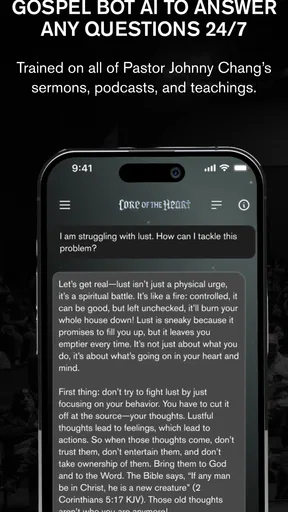
 Analysis by AppCompare
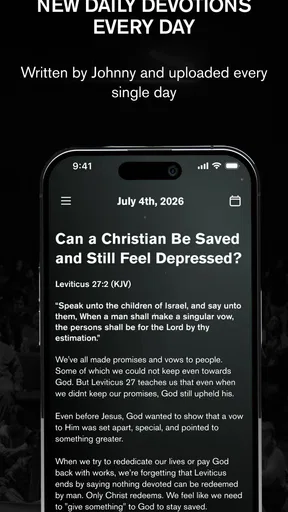
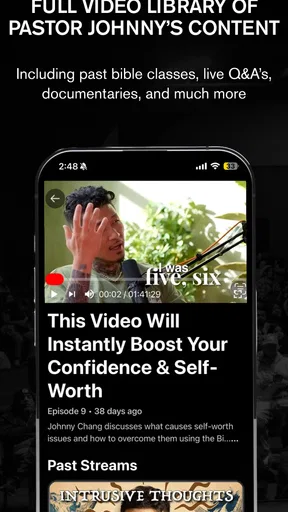
I approached Core of the Heart Daily as a practical lifestyle app rather than something to open casually and forget. Its focus is clear: it brings live mentorship classes and daily devotional material from Johnny Chang into one place. That makes the important question less about how many tools it has and more about whether this kind of guided spiritual routine fits the way you already live.
In my experience, the app makes the most sense for someone who wants a regular point of connection, not just an occasional inspirational reading. A devotional app can be useful when you need a quiet moment before work, while a live class can add a feeling of direction and accountability that a static reading rarely provides. Those are different needs, and the value here comes from placing them side by side.
Core of the Heart, the developer behind it, has positioned the app in the lifestyle space, and that description feels appropriate. I would not treat it as a general meditation utility, a social network, or a replacement for personal counseling. It is better understood as a faith-centered companion for people who want daily reflection and access to mentorship in the same experience.
What I would consider before choosing it
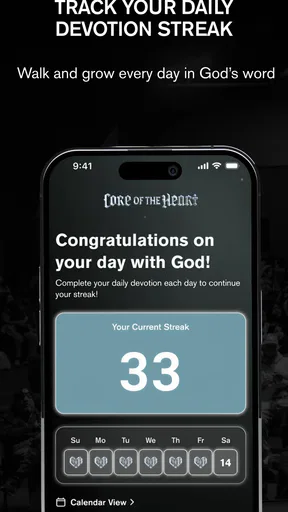
My first decision criterion would be consistency. If you are looking for something to use every morning or evening, the combination of daily devotion and live teaching is more relevant than a large collection of unrelated wellness tools. The app has a focused purpose, which is helpful when you do not want to spend time browsing through breathing exercises, sleep sounds, habit trackers, and motivational quotes.
The second criterion is your preferred learning style. Daily devotional content suits a short, personal routine. Live mentorship classes are a different commitment because they ask you to show up with attention and, depending on your schedule, possibly adjust your day around a session. If you prefer learning entirely at your own pace, the live element may feel less convenient than recorded material or a book.
I would also think about how much guidance you want. Some people enjoy opening a Bible, journal, or printed devotional and deciding what to explore. Others find it easier to begin when a trusted voice offers a theme and a direction. This app leans toward the second group. It gives the experience a defined center instead of leaving every choice to the user.
There is also a practical cost question. The app itself is free to download, but it includes in-app purchases ranging from about thirty-three dollars to more than eight hundred dollars per item. That is a substantial range, so I would examine each purchase carefully before committing. A free starting point is useful, but it should not be confused with every part of the experience being free.
Worth Reading Before You Choose

Flipboard Shows What News Apps Must Do Beyond the Feed

Switching to Android Auto Means Rethinking Your Driving Routine

Google Calendar Makes a Crowded Week Easier to Manage

Ludo King Makes the Most of the Minutes Between Plans

Baby Panda World Brings Quick Play to Modern Phones, but Its Game Library Feels Busy

ESPN’s Live Game View Makes Following Close Games Easier
For families, the Everyone age rating makes the app broadly approachable from an age-classification perspective. Even so, I would still decide together whether the teaching style, schedule, and purchase options match the household. An age label does not replace personal judgment about religious content or spending.
A routine that feels realistic
Here is the kind of use case where I can see the app working well. Imagine starting a weekday with ten quiet minutes before checking messages. You open the devotional material, read or listen with a notebook nearby, and write down one idea that applies to the day ahead. Later, if a live mentorship class fits your schedule, you return with a specific question from that morning rather than joining without any context.
That small sequence is more useful than treating the app as background content. The devotional becomes preparation, while the class becomes a chance to think more deeply. I would not expect every day to allow both parts, but using them in that order gives the app a stronger role in a routine.
A second workflow would suit someone who has trouble maintaining private habits. Instead of promising to complete a long session, choose a fixed moment—after breakfast, during a lunch break, or before bed—and make the app the first step. The important insight is to use the daily material as an anchor, not as another item on an oversized task list.
Where the focused format wins
The strongest part of this app is its narrow purpose. Many lifestyle applications try to serve every possible version of personal improvement. That can be convenient, but it can also make the experience feel scattered. Here, the emphasis on mentorship and devotion gives me a clearer reason to return.
The real advantage is continuity between private reflection and guided teaching. A devotional can help frame a question, concern, or intention. A class can then provide a wider perspective. Even when I use only one part on a particular day, the two formats support different moments of the same spiritual practice.
That structure may also help people who feel overwhelmed by too much choice. When an app presents endless categories, I often spend more time selecting content than using it. A focused religious lifestyle app can reduce that decision fatigue. You already know why you opened it, and that makes a short session easier to begin.
The app also has a useful middle position between completely solitary practice and full participation in a local group. Reading alone offers privacy and flexibility. Attending a group offers shared direction but requires more coordination. Core of the Heart Daily may appeal to someone who wants guided contact without making every part of the routine depend on traveling to a meeting or organizing other people.
Its reception is another encouraging sign. The app holds a 4.9 average from around twelve thousand ratings, with roughly one and a half thousand written reviews, and it has passed one hundred thousand installs. Those figures do not prove that it will suit everyone, but they suggest that the central idea has connected with a meaningful audience.
How I would use the live classes
I would avoid treating a live class like a video to keep playing in the background. The better approach is to prepare one question beforehand and keep a short note afterward. That makes the session active, even if you never speak or participate publicly. It also gives you something concrete to carry into the next devotional period.
Another helpful habit is to separate attendance from evaluation. A class may not answer the exact question you brought, and that does not automatically make it unhelpful. I would note the main theme, identify what applies to my situation, and leave the rest aside. This prevents the app from becoming a source of pressure to accept every point equally.
Because the experience is associated with Johnny Chang, people who already appreciate his teaching may find the app especially natural. New users should still give themselves time to decide whether the tone and approach fit their own expectations. A recognizable teacher can make an app feel personal, but it also means the experience is more specific than a neutral library of devotional resources.
Where another type of app may fit better
I would choose a different kind of app if my main goal were broad wellness rather than Christian mentorship. General meditation platforms, mood journals, sleep tools, and habit trackers are built around different outcomes. They may be better for someone who wants breathing exercises, stress logs, reminders, or nonreligious reflection.
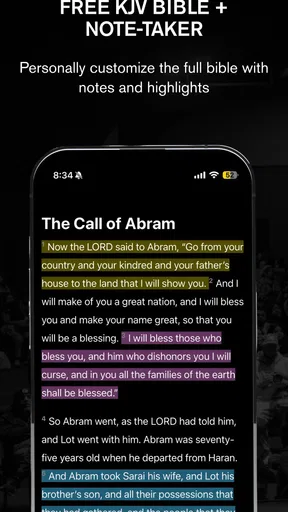
I would also look elsewhere if I wanted a large, searchable reference library. A Bible app, digital study tool, or ebook reader may offer more control over translations, annotations, reading plans, and independent research. Core of the Heart Daily is more guided in spirit. That is a strength for users who want direction, but a limitation for readers who prefer to build their own study path.
People who need strictly asynchronous content may find the live class model inconvenient. Work shifts, childcare, travel, and changing time zones can make scheduled participation difficult. In that situation, a recorded course or downloadable audio series could be a better fit, even if it feels less connected.
There is a similar trade-off for users who already belong to an active local church or study group. This app could complement that community, especially during busy weeks, but it should not automatically replace relationships that provide personal knowledge, pastoral context, and in-person support. Digital mentorship is useful, yet it has limits when a situation calls for someone who knows you directly.
I would skip the app if I am only looking for a free collection of short readings and do not expect to engage with mentorship. The purchase range means I would not enter without a clear understanding of what I am choosing. If all I need is a simple devotional page each morning, a book, a free reading plan, or another lightweight tool may be more straightforward.
What the free starting point does and does not solve
Being free to download lowers the barrier to trying the app. That matters because the best way to judge a spiritually focused product is often to see whether its rhythm fits your actual life, not just whether its description sounds appealing. I would begin slowly, establish a routine, and pay attention to whether the content helps me reflect rather than simply consume another stream of material.
The in-app purchase structure deserves deliberate handling. With individual items extending from around thirty-three dollars to over eight hundred dollars, I would never make a purchase while rushing through a class or responding to emotional content. I would first identify exactly what the item provides, whether it matches my goal, and whether I can realistically use it.
This is also where the cost of switching matters. If you move from a free devotional book to this app, the change is not only financial. You are adopting a guided schedule and a particular teaching voice. If you later move to a general meditation app, you may gain flexibility but lose the faith-centered continuity that makes this product distinctive. The right choice depends on which compromise bothers you less.
For a household, I would make purchase decisions especially transparent. Since the price range is wide, everyone using the device should know which parts are free and which actions may lead to a charge. That is a simple precaution, but it is more important here than with an app that offers only a small, predictable upgrade.
Version, compatibility, and everyday friction
The current version is 1.3.0, and the app runs on Android seven point zero or later. That gives it a relatively broad starting point for Android users, including people who keep an older phone for practical reasons. I would still install it on the device where I actually plan to build the habit, because a routine is easier to maintain when the app is available at the right moment.
One point I would watch is the difference between having access to the app and having time for its live component. An older compatible phone may handle installation, but the quality of your experience will still depend on your schedule, attention, and connection during a live class. I would not judge the whole product after opening it once in a rushed moment.
Another small but important friction is expectation management. The store summary promises live mentorship classes and daily devotions by Johnny Chang, but that does not mean every user will want both formats equally. I would decide which one is my primary reason for installing and use the other as a supplement. This keeps the app from feeling like an obligation.
Who will get the most from it
I think the best audience is someone who wants a repeatable Christian routine with a recognizable mentor at its center. That includes a person restarting a devotional habit, someone who wants more structure than private reading provides, or a busy user who would appreciate guided classes without making every session part of a local schedule.
It may also work for someone who learns through a combination of short reflection and teaching. The key is not to measure success by how much content is completed. I would judge it by whether the app helps me pause, remember a meaningful idea, and apply it to a real decision or relationship during the day.
The less suitable audience is someone seeking clinical mental-health support, a general productivity system, or an entirely independent study environment. The app may sit alongside those tools, but it should not be mistaken for them. Its value comes from its spiritual focus, and that focus is precisely why it will not be the right answer for every lifestyle goal.
My recommendation after weighing the trade-offs
I recommend trying Core of the Heart Daily if live mentorship and daily devotion are both genuinely appealing to you. The focused design gives it a clearer identity than a general lifestyle app, and the combination can support a routine that moves from private reflection to guided learning. I would begin with modest expectations: use the devotional consistently, attend a class when the schedule works, and take notes on what actually helps.
I would not recommend making an expensive purchase immediately. The free download is enough to test whether the teaching style, rhythm, and format belong in your life. Because the available purchase amounts can become very high, careful selection is part of using the app responsibly, not an optional extra.
My final view is positive but specific. This is not the universal answer for devotionals, meditation, Bible study, or wellness. It is a focused lifestyle app for people who want Johnny Chang’s live mentorship classes and daily devotional approach in one place. If that is the kind of guidance I am looking for, I would give it a fair trial and build a simple routine around it. If I mainly want flexibility, broad wellness features, or independent research, I would choose a different category instead.
For me, the deciding question is simple: do I want an app that helps me choose my own material, or one that gives my spiritual routine a clear voice and direction? If the second answer feels more honest, Core of the Heart Daily is worth exploring—provided I treat the purchase options carefully and use its live element as a meaningful part of the routine rather than just another notification.
Pros
- Simple daily format makes it easy to build a consistent reflection habit.
- Short sessions fit well into busy mornings or evening routines.
- Heart-focused prompts encourage gratitude
- empathy
- and emotional awareness.
- A private space can make personal reflection feel more comfortable.
- Gentle content may help users slow down and reset during stressful days.
Cons
- Limited variety may make the daily experience feel repetitive over time.
- Some prompts may feel too general for users seeking deeper guidance.
- Benefits depend on regular use rather than immediate results.
- Users wanting social features may find the experience too solitary.
- Privacy details should be checked carefully before entering personal reflections.
FAQs for Core of the Heart Daily
What is Core of the Heart Daily?
Core of the Heart Daily is a wellness and personal-growth app designed to support daily reflection, emotional awareness, and mindful habits. Based on its presentation, the app focuses on helping users create a consistent routine through guided content and simple daily activities. It may be useful for people who want a private space to check in with themselves, organize their thoughts, and develop a more intentional approach to everyday life.
How does Core of the Heart Daily work?
After opening the app, users can generally explore its daily material, follow prompts, and complete activities at their own pace. The experience is intended to be simple rather than overwhelming, making it suitable for short sessions during the morning, evening, or whenever you need a moment of calm. Regular use is likely to provide the most benefit, although the exact tools and available sections may depend on the installed version.
Is Core of the Heart Daily suitable for beginners?
Yes, Core of the Heart Daily appears to be aimed at a broad audience, including people who have little or no previous experience with journaling, mindfulness, or emotional-wellness apps. Its daily format can make it easier to begin with small steps instead of committing to lengthy sessions. However, users should remember that personal-growth exercises work differently for everyone, so it is best to use the app at a comfortable pace.
Is Core of the Heart Daily a replacement for professional mental-health support?
No. Core of the Heart Daily should be considered a self-help and wellness companion, not a replacement for a licensed therapist, doctor, or emergency service. The app may help users reflect on feelings and build healthier routines, but it cannot diagnose conditions or provide personalized clinical treatment. If you are experiencing severe distress, persistent symptoms, or thoughts of harming yourself, contact a qualified professional or local emergency service.
Is Core of the Heart Daily free to download, and does it require an account?
The download and payment conditions can vary between Android and iOS, as well as by region and app version. Some features may be available without charge, while additional content could require a subscription or in-app purchase. Before downloading or starting a trial, check the official store listing for current pricing, account requirements, renewal terms, privacy details, and cancellation instructions so there are no unexpected charges.


